
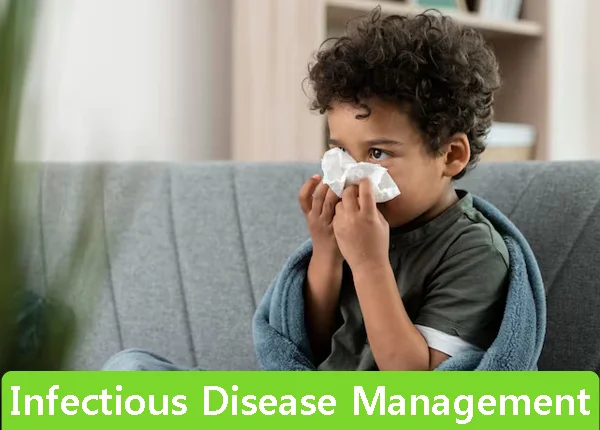
Infectious Disease Management
Infectious diseases remain one of the most common health concerns in children, especially in regions where environmental and seasonal factors increase exposure to bacteria, viruses, and parasites. Timely diagnosis and appropriate treatment are essential to prevent complications and ensure a quick recovery. Dr. Vandana Singh is a highly trusted expert providing advanced and reliable Pediatric Illnesses treatment in Noida, specializing in the management of childhood infections such as typhoid, malaria, and gastrointestinal (GI) infections.
With a strong focus on early detection, accurate diagnosis, and child-friendly treatment, Dr. Vandana Singh ensures that children receive safe, effective, and comprehensive care for all types of infections.
What is Infectious Disease Management in Pediatrics?
Infectious Disease Management refers to the diagnosis, treatment, and prevention of infections caused by bacteria, viruses, parasites, and other microorganisms in children. These infections can affect various parts of the body, including the digestive system, bloodstream, and vital organs.
Pediatric infectious care involves not only treating the illness but also identifying its source, preventing its spread, and strengthening the child’s immune system. It includes medical treatment, hydration management, nutritional support, and preventive strategies to reduce recurrence.
Common Infections Treated
1. Typhoid Fever
A bacterial infection caused by contaminated food or water. It leads to prolonged fever, weakness, abdominal pain, and digestive disturbances. Early treatment is crucial to prevent serious complications.
2. Malaria
A mosquito-borne parasitic infection that causes high fever, chills, sweating, and fatigue. Prompt diagnosis and treatment are essential to avoid severe health risks.
3. Gastrointestinal (GI) Infections
These infections affect the stomach and intestines and are commonly caused by viruses, bacteria, or parasites. Symptoms include diarrhea, vomiting, abdominal pain, and dehydration.
4. Viral Infections
Includes common viral fevers, seasonal infections, and flu-like illnesses that affect children frequently.
5. Bacterial Infections
Can affect various systems in the body, including the respiratory and digestive systems, requiring timely antibiotic treatment.
Causes of Infectious Diseases in Children
Contaminated Food and Water
Consumption of unsafe or unhygienic food and water is a major cause of infections like typhoid and GI illnesses.
Poor Sanitation and Hygiene
Inadequate handwashing and exposure to unclean environments increase the risk of infection.
Mosquito Bites
Diseases like malaria spread through infected mosquito bites, especially in certain seasons.
Weak Immune System
Children’s developing immunity makes them more susceptible to infections.
Close Contact and Crowded Environments
Schools and play areas can facilitate the spread of infections among children.
Seasonal Changes
Monsoon and summer seasons often increase the risk of waterborne and vector-borne diseases.
Symptoms That Require Immediate Attention
Parents should consult a pediatrician if their child shows:
- Persistent high fever
- Chills and sweating
- Vomiting or diarrhea
- Abdominal pain
- Weakness or fatigue
- Loss of appetite
- Signs of dehydration (dry mouth, reduced urination)
- Unusual drowsiness or irritability
Early medical care helps prevent complications and ensures faster recovery.
Diagnosis and Evaluation
Dr. Vandana Singh follows a systematic and thorough approach for diagnosing infections:
- Detailed medical history and symptom review
- Physical examination
- Blood tests for detecting infections like typhoid and malaria
- Stool or urine tests for GI infections
- Monitoring vital signs and hydration levels
This accurate diagnosis helps in identifying the exact cause and planning effective treatment.
Treatment Approach in Infectious Disease Management
1. Targeted Medical Treatment
- Antibiotics for bacterial infections like typhoid
- Antimalarial medications for malaria
- Antiviral or supportive care for viral infections
2. Hydration Management
- Oral rehydration solutions (ORS)
- Intravenous fluids in severe cases
- Preventing dehydration, especially in GI infections
3. Nutritional Support
- Easily digestible and nutritious diet
- Maintaining energy levels during illness
- Supporting faster recovery
4. Fever and Symptom Control
- Medications to manage fever and discomfort
- Monitoring for any complications
5. Infection Control and Prevention
- Hygiene education
- Safe food and water practices
- Preventive measures to reduce recurrence
Preventive Measures for Infectious Diseases
- Ensure clean drinking water
- Maintain proper hand hygiene
- Avoid street or unhygienic food
- Use mosquito protection (nets, repellents)
- Keep surroundings clean
- Follow vaccination schedules
- Encourage healthy eating habits
Why Choose Dr. Vandana Singh in Noida?
Expertise in Pediatric Infections
Extensive experience in diagnosing and treating a wide range of infectious diseases in children.
Accurate and Early Diagnosis
Focus on identifying the root cause to ensure effective and timely treatment.
Child-Centered Care
Gentle and reassuring approach for a comfortable experience.
Advanced Treatment Protocols
Use of modern and evidence-based medical practices.
Preventive Focus
Guidance on hygiene, nutrition, and lifestyle to prevent future infections.
Personalized Treatment Plans
Customized care based on the child’s condition, age, and severity of illness.
Role of Parents in Infection Prevention
Parents play a crucial role in protecting children from infections:
- Encourage regular handwashing
- Provide safe and hygienic food
- Ensure adequate hydration
- Protect children from mosquito exposure
- Monitor symptoms closely
- Seek timely medical care
Long-Term Health Benefits of Proper Infection Management
- Faster recovery and reduced complications
- Strengthened immune system
- Lower risk of recurrent infections
- Better overall growth and development
- Improved quality of life
Frequently Asked Questions (FAQs)
1. How can I differentiate between a normal fever and a serious infection?
A normal fever usually subsides within a couple of days, while persistent high fever, weakness, or additional symptoms like vomiting or chills may indicate a serious infection requiring medical attention.
2. Is typhoid common in children and can it be prevented?
Yes, typhoid can occur in children, especially in areas with poor sanitation. It can be prevented by maintaining hygiene and consuming safe food and water.
3. What are the risks of untreated malaria in children?
Untreated malaria can lead to severe complications such as anemia, organ damage, and in serious cases, can be life-threatening, making early treatment essential.
4. How do I manage my child’s dehydration during GI infections?
Ensure your child drinks plenty of fluids, including ORS, and seek medical care if symptoms like reduced urination or lethargy occur.
5. When should I take my child to the doctor for an infection?
If your child has persistent fever, severe symptoms, or shows signs of dehydration or weakness, it is important to consult a pediatrician promptly.
Conclusion
Infectious diseases can affect a child’s health rapidly, but with timely intervention and proper care, they can be effectively treated and managed. Dr. Vandana Singh provides expert and dependable Pediatric Illnesses treatment in Noida, ensuring that children receive comprehensive care for infections like typhoid, malaria, and GI disorders. Her holistic and preventive approach helps children recover quickly and stay protected against future health risks.
Category : Infectious Disease Management


HAVE 0 COMMENTS
Be the first to review