
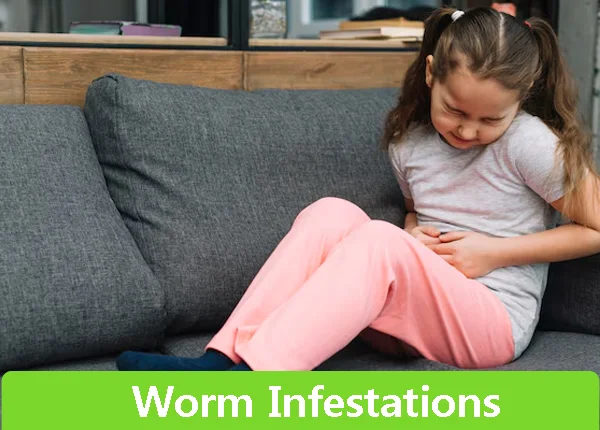
Worm Infestations
Worm infestations are a common yet often overlooked health concern in children, particularly in growing years when hygiene habits and immunity are still developing. If left untreated, these infections can affect a child’s nutrition, growth, and overall well-being. Dr. Vandana Singh is a trusted expert providing effective and safe Pediatric Illnesses treatment in Noida, with a special focus on deworming and maintaining optimal gut health in children.
With a preventive and holistic approach, Dr. Vandana Singh ensures that children not only receive proper treatment for worm infestations but also develop a strong and healthy digestive system for long-term wellness.
What are Worm Infestations in Children?
Worm infestations, also known as intestinal parasitic infections, occur when harmful parasites such as roundworms, pinworms, hookworms, or tapeworms enter the child’s digestive system. These worms live in the intestines and feed on the nutrients consumed by the child, which can lead to nutritional deficiencies and other health issues.
Deworming and gut health care focus on eliminating these parasites and restoring the balance of the digestive system. It also includes preventive measures to reduce the risk of reinfection and improve overall immunity.
Common Types of Worm Infestations
1. Roundworms
One of the most common types, spread through contaminated soil or food, leading to abdominal discomfort and poor nutrition.
2. Pinworms
Highly contagious, especially among school-going children, causing itching around the anal area, particularly at night.
3. Hookworms
These enter through the skin, usually from contaminated soil, and can cause anemia and weakness.
4. Tapeworms
Transmitted through contaminated food, leading to digestive issues and weight loss.
Causes of Worm Infestations
Poor Hygiene Practices
Inadequate handwashing before meals or after using the toilet increases the risk of infection.
Contaminated Food and Water
Eating unwashed fruits, vegetables, or drinking unsafe water can introduce parasites into the body.
Playing in Contaminated Soil
Children playing barefoot or in unclean environments are more prone to worm infections.
Close Contact with Infected Individuals
Worms, especially pinworms, can spread easily among children in schools or households.
Weak Immunity
Children with lower immunity are more susceptible to infections.
Symptoms of Worm Infestations
Parents should watch for the following signs:
- Abdominal pain or discomfort
- Loss of appetite
- Weight loss or poor weight gain
- Itching around the anal area
- Nausea or vomiting
- Diarrhea or irregular bowel movements
- Fatigue and weakness
- Disturbed sleep
Early detection ensures effective treatment and prevents complications.
Impact on Child’s Health
If not treated on time, worm infestations can lead to:
- Nutritional deficiencies
- Anemia
- Delayed growth and development
- Weak immunity
- Poor academic performance due to fatigue
This makes timely deworming and gut care extremely important.
Diagnosis and Evaluation
Dr. Vandana Singh follows a careful and systematic approach:
- Detailed symptom assessment
- Medical and dietary history
- Stool examination (if required)
- Physical evaluation of growth and nutrition
This helps in confirming the type of infestation and planning appropriate treatment.
Treatment Approach: Deworming & Gut Health Care
1. Deworming Medication
- Safe and effective anti-parasitic medicines
- Age-appropriate dosage
- Repeat doses if necessary to prevent recurrence
2. Gut Health Restoration
- Probiotics to restore healthy gut bacteria
- Nutritional support to improve digestion
- Balanced diet for better absorption of nutrients
3. Nutritional Management
- Iron-rich foods to prevent anemia
- Protein-rich diet for growth
- Adequate hydration
4. Hygiene and Lifestyle Guidance
- Proper handwashing habits
- Clean food preparation practices
- Regular cleaning of living spaces
Preventive Measures for Worm Infestations
- Wash hands thoroughly before eating and after using the toilet
- Keep nails short and clean
- Wash fruits and vegetables properly
- Avoid walking barefoot in contaminated areas
- Ensure safe drinking water
- Maintain personal and household hygiene
- Follow regular deworming schedules as advised by the doctor
Importance of Regular Deworming
Routine deworming is essential for children, especially in areas where infections are common. It helps:
- Eliminate hidden infections
- Improve nutrient absorption
- Enhance immunity
- Promote healthy growth and development
- Prevent reinfection
Why Choose Dr. Vandana Singh in Noida?
Expertise in Pediatric Gut Health
Extensive experience in managing worm infestations and digestive health in children.
Safe and Effective Treatment
Use of child-friendly medications and scientifically proven treatment methods.
Preventive Care Focus
Guidance on hygiene, nutrition, and lifestyle to avoid recurrence.
Personalized Care
Customized treatment plans based on the child’s age, condition, and nutritional status.
Holistic Approach
Focus on both treatment and long-term gut health improvement.
Role of Parents in Maintaining Gut Health
Parents play a key role in preventing worm infestations:
- Teach proper hygiene habits
- Provide clean and nutritious food
- Monitor child’s eating and playing habits
- Ensure regular medical check-ups
- Follow doctor-recommended deworming schedules
Long-Term Benefits of Proper Deworming & Gut Care
- Improved digestion and nutrient absorption
- Better physical growth and development
- Increased energy levels
- Stronger immune system
- Reduced risk of recurrent infections
Frequently Asked Questions (FAQs)
1. How often should children be dewormed?
Deworming is usually recommended every 6 months, but the frequency may vary depending on the child’s health and risk factors. It is best to follow a pediatrician’s advice.
2. Are worm infestations serious in children?
While common, untreated infestations can lead to nutritional deficiencies and growth issues, making timely treatment important.
3. What are the early signs of worm infection?
Symptoms like itching, abdominal pain, loss of appetite, and disturbed sleep can indicate a possible worm infestation.
4. Can worm infections recur after treatment?
Yes, reinfection is possible if hygiene practices are not maintained. Preventive care is essential to avoid recurrence.
5. How can I protect my child from worm infections?
Maintaining hygiene, ensuring safe food and water, and following regular deworming schedules are key steps in prevention.
Conclusion
Worm infestations can silently affect a child’s health, but with proper care and preventive measures, they can be effectively managed. Dr. Vandana Singh offers expert and reliable Pediatric Illnesses treatment in Noida, focusing on safe deworming and long-term gut health. Her comprehensive and child-centered approach ensures that children stay healthy, active, and free from infections, supporting their overall growth and well-being.
Category : Worm Infestations


HAVE 0 COMMENTS
Be the first to review